

A Comprehensive Guide to Successful Events
Event planning and management are essential components for ensuring the success of any event, whether it’s a corporate conference, a wedding, a product launch, or a large-scale festival. Effective event planning requires attention to detail, creative vision, logistical coordination, and strategic execution. Without these elements in place, even the most well-intended events can fall short of expectations.
In this article, we will explore the process of event planning and management, key steps involved, and best practices for creating memorable and impactful events. Whether you’re planning an intimate gathering or a grand celebration, this guide will provide you with the tools you need to make your event a success.
What is Event Planning and Management?
Event Planning and Management refers to the process of organizing and executing an event from conception to completion. It involves a series of tasks that require coordination, creativity, and a clear strategy to bring the event to life. Event planners must handle everything from venue selection and budgeting to vendor management and guest experience.
The main goal of event planning is to create a seamless, enjoyable experience for attendees, while ensuring that the event objectives are met. Whether you’re organizing a corporate seminar, a wedding, or a charity gala, effective event management guarantees that every aspect of the event is handled efficiently, from initial planning to post-event evaluation.
The Ultimate Guide to PR Planning Services
The Key Steps in Event Planning and Management
A successful event doesn’t happen overnight; it requires meticulous planning and execution. Below are the key steps involved in event planning and management:
1. Define Your Objectives and Goals
Before you start planning, it’s essential to define the purpose of the event. What do you hope to achieve? Are you looking to educate, celebrate, entertain, or promote a brand? Understanding your event’s objectives helps guide the entire planning process.
For example:
- Corporate Event: The goal may be to network, educate attendees, or promote a product or service.
- Wedding: The objective is to create a memorable and meaningful celebration for the couple and their families.
- Charity Gala: The goal may be to raise funds for a cause and build awareness.
By clearly defining your objectives, you can tailor the planning process to meet your specific goals.
2. Set a Budget
Budgeting is one of the most important aspects of event planning. Without a clear budget, you risk overspending or mismanaging funds. Establishing a realistic budget will guide your decisions about the venue, vendors, catering, and other essential elements.
When setting your budget, be sure to account for:
- Venue costs: Renting the space, security, and cleaning fees.
- Catering: Food and drink costs, including special dietary needs.
- Decor: Furniture, lighting, flowers, and other decor elements.
- Entertainment: Speakers, performers, or music.
- Transportation and parking: If necessary, including shuttle services or parking fees.
3. Choose the Right Venue
Selecting the right venue is crucial to the success of any event. The venue should align with your event’s size, theme, and objectives. Factors to consider include:
- Location: Choose a location that’s convenient for your target audience.
- Capacity: Ensure the venue can comfortably accommodate your guests.
- Ambience: The atmosphere of the venue should match the event’s theme.
- Amenities: Does the venue offer necessary services, such as AV equipment, catering options, and restrooms?
Visit potential venues before making a decision to ensure they meet your expectations.
4. Plan the Event Logistics
Once the venue is confirmed, the next step is to plan the logistics. This includes coordinating all the behind-the-scenes tasks that ensure the event runs smoothly:
- Scheduling: Create a timeline for the event, including registration, presentations, meals, and entertainment.
- Vendors: Hire vendors for catering, photography, audio-visual services, decorations, and transportation.
- Guest Management: Send out invitations, manage RSVPs, and handle special requests.
- Permits and Insurance: Make sure you obtain the necessary permits for the event, and consider event insurance to cover unforeseen circumstances.
A well-structured timeline and clear communication with vendors will help ensure that everything runs according to plan.
5. Create Engaging Content and Activities
To keep your attendees engaged, it’s essential to plan interesting content and activities. This could include:
- Guest Speakers: Engaging industry experts, celebrities, or influencers who can add value to your event.
- Interactive Workshops: Interactive sessions or demonstrations that encourage attendee participation.
- Entertainment: Live music, performances, or games to keep the event lively and entertaining.
Ensure the content is aligned with the event’s theme and objectives, and provides value to the audience.
6. Market the Event
Even the best-planned event won’t succeed without proper promotion. Utilize a mix of digital and traditional marketing strategies to build excitement and attract attendees:
- Social Media: Use platforms like Instagram, Facebook, and LinkedIn to create event buzz and engage with your audience.
- Email Campaigns: Send out email invitations and reminders to your guest list.
- Paid Advertising: Use digital ads, such as Google Ads or Facebook Ads, to target your ideal audience.
- Influencer Partnerships: Partner with influencers who can help promote the event to their followers.
A well-executed marketing campaign will help ensure that your event attracts a full house.
7. Execute the Event
On the day of the event, it’s time to execute the plan. Ensure that all team members, vendors, and participants are on the same page regarding schedules and expectations. As the event unfolds, pay attention to the following:
- Guest Experience: Ensure that attendees feel welcome and have everything they need.
- Troubleshooting: Be prepared for any unexpected issues, from technical difficulties to last-minute requests.
- Engagement: Keep the momentum going by facilitating smooth transitions between activities.
A well-executed event creates a positive experience for your guests, and ensures your objectives are met.
8. Post-Event Evaluation
After the event concludes, it’s time to assess its success. Collect feedback from attendees and vendors to evaluate what worked well and what could be improved. Key areas to focus on include:
- Guest satisfaction: Did attendees enjoy the event? Were their needs met?
- Financial performance: Did the event stay within budget? Was the return on investment (ROI) satisfactory?
- Brand impact: Did the event achieve the desired exposure or awareness?
This evaluation process provides valuable insights for future events and helps you continue improving your event planning skills.
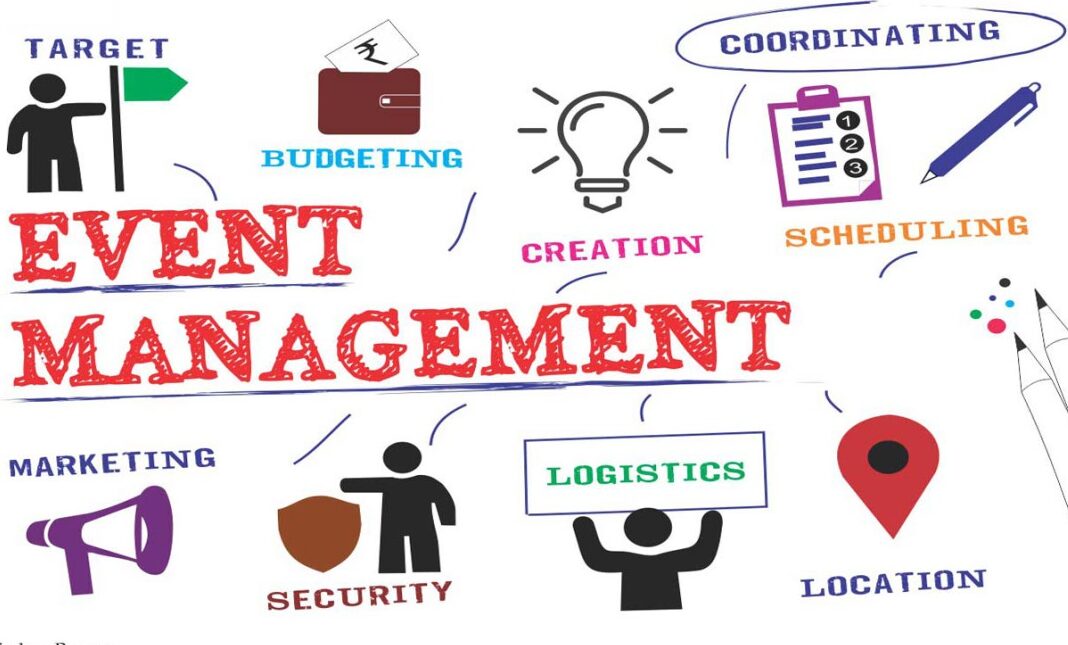
Best Practices for Successful Event Planning
- Plan Ahead: The more time you allow for planning, the more organized and stress-free the event will be. Aim for at least 3-6 months of preparation for larger events.
- Stay Organized: Use checklists, spreadsheets, and event management software to track tasks, timelines, and budgets. Being organized ensures you don’t miss any critical details.
- Communicate Clearly: Effective communication with all team members, vendors, and stakeholders ensures that everyone is on the same page and avoids miscommunication.
- Be Flexible: Even with the best planning, things can go wrong. Be prepared to adapt and think on your feet if unexpected challenges arise.
- Focus on the Experience: Ultimately, events are about creating memorable experiences for attendees. Pay attention to the small details that can make the event special and engaging.
Conclusion
Event planning and management are critical to the success of any gathering. From defining clear objectives to executing a seamless event, the process requires careful thought, creativity, and attention to detail. By following a structured approach and incorporating the best practices outlined in this guide, you can plan and execute events that leave a lasting impression.
Whether you are planning a corporate event, a wedding, or a large-scale conference, ensuring your event is well-organized and aligned with your goals will lead to success and satisfaction for both you and your guests.
This article follows SEO best practices by optimizing the use of keywords and providing valuable content to help your audience understand the importance of event planning and management. Regular updates and content optimization will help ensure ongoing relevance and search engine ranking.