

Mastering the Art of Sound
When it comes to professional projects, the voiceover can make or break the final product. Whether you’re creating an advertisement, a corporate video, an eLearning module, or a film, a well-executed voiceover can elevate your project, making it engaging and memorable. In this article, we’ll explore voiceover tips for professional projects that will help you improve the quality and impact of your recordings. Whether you’re a voiceover artist or a project manager looking to enhance your production, these tips will ensure your voiceover is clear, professional, and effective.
1. Know Your Audience
Understanding your target audience is crucial when recording a voiceover. The tone, pace, and style should align with the preferences and expectations of your listeners. For instance, a corporate training video might require a clear, authoritative voice, while a commercial might benefit from an energetic and enthusiastic tone.
- Tip: Tailor your delivery to the audience. If the audience is young and playful, try a lighthearted tone. For a more formal presentation, use a confident, calm voice that conveys trust.
2. Script Preparation and Familiarity
Before you record, it’s essential to thoroughly read and understand the script. This ensures a natural, smooth delivery and helps you avoid awkward pauses or stumbling over words. Familiarity with the script also helps in maintaining the correct tone and pacing throughout the recording.
- Tip: Read the script out loud several times before recording. Mark up the script with notes on pacing, pauses, and emphasis to ensure a more engaging performance.
3. Pacing and Pauses
Pacing is an often-overlooked element of voiceover work, but it plays a huge role in keeping the listener engaged. Speaking too quickly can make it hard for listeners to absorb information, while speaking too slowly can cause them to lose interest. Proper pauses are also essential in ensuring that your message lands effectively.
- Tip: Practice varying your pace. Use slower pacing for important points and speed up for lighter, more casual moments. Pauses allow listeners to process information and create a natural rhythm.
4. Use of Tone and Inflection
Tone and inflection are critical for conveying emotion and intent. A monotonous delivery can leave your audience disengaged, while varied inflections add life and emotion to the voiceover. Whether it’s excitement, sadness, or confidence, your vocal tone should reflect the intended message.
- Tip: Play with different tones to match the content. A documentary may call for a more serious and reflective tone, while a product commercial might use a cheerful, upbeat tone.
5. Clear and Consistent Pronunciation
Clear pronunciation is essential in ensuring that your voiceover is professional and easy to understand. Mispronunciations, even if minor, can distract the listener and make the content less credible. Consistency is also key, especially when it comes to repeating terms or names.
- Tip: Practice difficult words ahead of time and maintain consistency in your pronunciation throughout the recording. Enunciate clearly, and if you stumble over a word, stop and try again.
6. Microphone Quality and Positioning
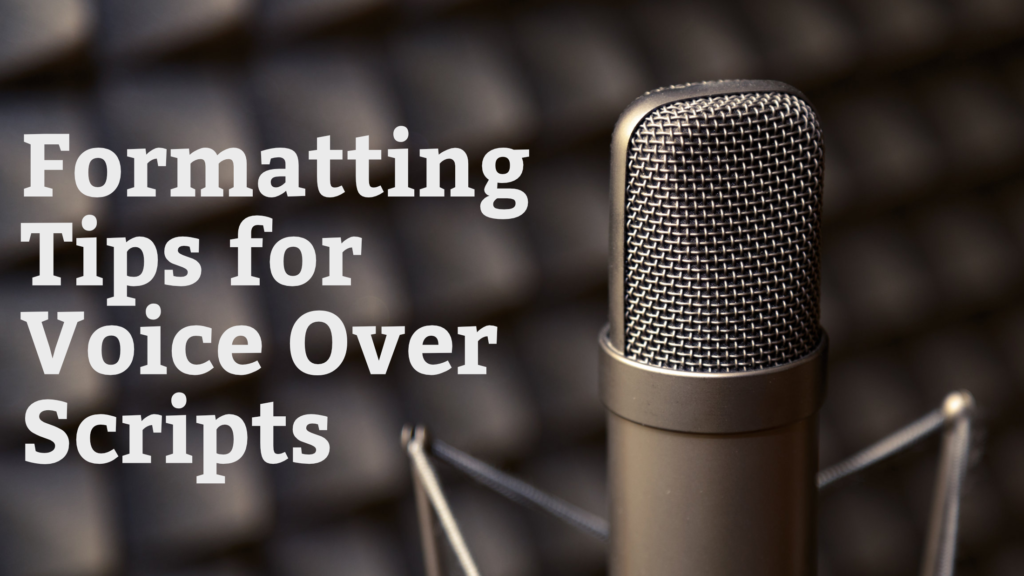
The quality of your recording equipment directly affects the final product. Using a high-quality microphone and ensuring it is properly positioned is crucial for achieving a clean, professional sound. The microphone should be placed in a position that avoids distortion while picking up the full range of your voice.
- Tip: Invest in a quality microphone that suits your needs and record in a soundproof or quiet space to eliminate background noise. Experiment with microphone placement to find the optimal distance, usually about 6-8 inches from your mouth.
7. Breath Control and Avoiding Over-breathing
Over-breathing can lead to distracting sounds in the recording, while poor breath control can make it hard to sustain a smooth delivery. Proper breath management ensures that your voiceover remains clear and consistent without excessive gasps or pauses.
- Tip: Practice breathing exercises to control your airflow. Take deep breaths from your diaphragm, not your chest, and use pauses in the script to take breaths naturally, avoiding heavy breathing into the mic.
8. Editing for Perfection
Even with a perfect performance, post-production editing is essential to remove mistakes, reduce background noise, and enhance the overall sound quality. Tools like EQ, compression, and noise reduction can help smooth out your voiceover and make it sound more polished.
- Tip: If you’re doing your own editing, use software like Adobe Audition or Audacity to clean up the track. Cut out awkward silences, and adjust the audio levels to create a balanced sound.
9. Adding Emotion and Character
Incorporating emotion and character into your voiceover can make it more relatable and engaging. Whether you’re narrating a story or delivering a product pitch, adding the right amount of emotion brings the script to life and connects with the audience on a deeper level.
- Tip: Visualize the scene or message as you speak. For example, if you’re narrating a touching moment in a video, add warmth and sincerity to your voice. For an upbeat product demo, express excitement and enthusiasm.
10. Continuous Practice and Feedback
Voiceover work is a skill that improves with constant practice and feedback. Listening to your own recordings and getting feedback from others will help you identify areas for improvement. Continuously refining your craft will make you more versatile and adaptable in future projects.
- Tip: Record daily or weekly practice sessions to build vocal endurance and versatility. Seek feedback from peers or mentors to help you improve and grow as a voiceover artist.
Conclusion
Perfecting the art of voiceover is essential for delivering professional projects that captivate and engage the audience. By applying these voiceover tips for professional projects, you can ensure that your recordings sound polished, clear, and emotionally compelling. Whether you’re an experienced voiceover artist or new to the field, these techniques will elevate the quality of your work and help you succeed in your professional endeavors. Keep practicing, and don’t hesitate to experiment with different styles to find your unique voice. Ready to get started? Dive into your next project with confidence, knowing you have the tools to create impactful voiceovers that stand out.