

A Step-by-Step Guide
Starting a new business can be both exciting and challenging, especially when it comes to building brand awareness and attracting customers. One of the most effective ways to achieve this in today’s digital world is through social media marketing. Social media marketing strategies for new businesses are crucial for gaining visibility, engaging with potential customers, and establishing a brand identity. But with so many platforms and options available, it can be overwhelming to know where to begin. This article breaks down the essential social media strategies that will help your new business thrive online, build a loyal audience, and drive growth.
Step 1: Identify Your Target Audience
Before you dive into creating posts or launching campaigns, it’s essential to identify your target audience. Knowing who you want to reach will help you craft the right message and choose the best social media platforms.
Key Considerations:
- Demographics: Understand your audience’s age, gender, location, income level, and interests.
- Behavior: Learn about their online habits, such as which social media platforms they use most frequently.
- Pain Points: Address the challenges your audience faces and how your product or service can solve them.
With a clear picture of your target audience, you can create content that resonates with them and drives engagement.
Step 2: Choose the Right Social Media Platforms
Not all social media platforms will be a good fit for your business. The best social media marketing strategies for new businesses focus on the platforms where your audience is most active.
Popular Platforms and Their Strengths:
- Instagram: Ideal for businesses with visually appealing products, such as fashion, food, or lifestyle. Great for building a brand image.
- Facebook: A versatile platform for both B2C and B2B businesses. It’s effective for community building and advertising.
- Twitter: Excellent for real-time engagement, customer service, and sharing updates or news.
- LinkedIn: Best for B2B companies, networking, and thought leadership content.
- TikTok: A platform for creative, fun, and viral content. Perfect for businesses targeting younger audiences.
By focusing on the right platforms, you can ensure that your marketing efforts are efficient and effective.
Step 3: Develop a Content Strategy
Creating content that aligns with your brand and appeals to your audience is a cornerstone of social media marketing strategies for new businesses. A well-thought-out content strategy will guide the creation of posts, videos, blogs, and other media.
Key Content Types:
- Product Showcases: Highlight the features and benefits of your products or services.
- Behind-the-Scenes Content: Share the process behind your business, such as how products are made or what your company values.
- User-Generated Content: Encourage your customers to share their experiences with your brand and repost their content to build trust.
- Educational Content: Offer value through tutorials, how-to guides, and industry insights.
A diverse content mix keeps your audience engaged and shows the multifaceted nature of your business.
Step 4: Consistency is Key
One of the most important elements of a successful social media strategy is consistency. Posting regularly keeps your brand top-of-mind and helps build a loyal following over time.
Tips for Consistency:
- Create a Content Calendar: Plan out your posts in advance to ensure a consistent posting schedule.
- Automate Posts: Use social media management tools like Buffer or Hootsuite to schedule posts ahead of time.
- Engage Daily: Beyond posting, make it a habit to engage with your followers daily. Respond to comments, like posts, and participate in conversations.
By sticking to a regular posting schedule, you’ll maintain momentum and keep your audience engaged.
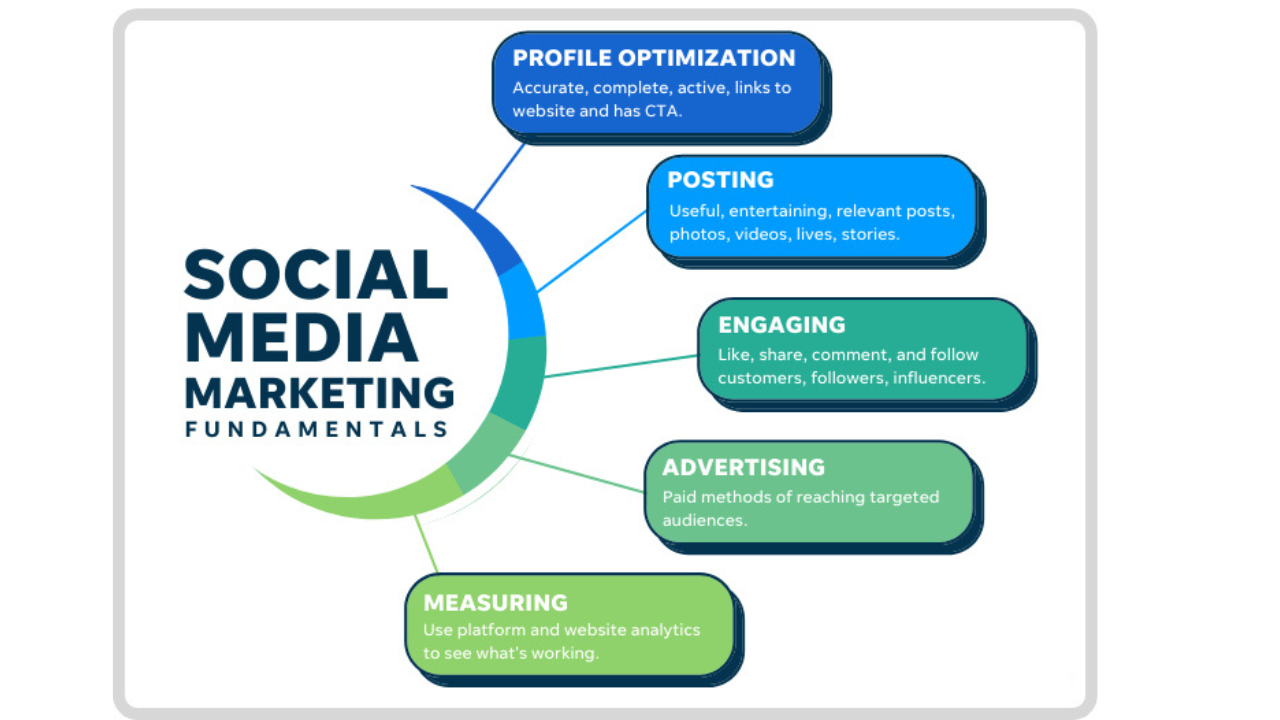
Step 5: Leverage Paid Advertising
While organic reach is important, paid advertising can give your new business the boost it needs to grow quickly. Social media platforms offer highly targeted advertising options that allow you to reach the right people at the right time.
Paid Advertising Options:
- Facebook & Instagram Ads: Great for targeting specific demographics and interests with both image and video ads.
- LinkedIn Ads: Ideal for targeting professionals and businesses with highly specialized campaigns.
- TikTok Ads: Allows businesses to create fun and engaging short-form videos that can go viral.
- Twitter Ads: Effective for promoting time-sensitive offers and events to a broad audience.
Paid advertising can amplify your efforts, bringing in new customers while building awareness for your brand.
Step 6: Monitor and Measure Your Performance
Tracking the success of your social media efforts is crucial for understanding what’s working and what’s not. Use analytics tools to monitor key metrics and adjust your strategy as needed.
Key Metrics to Track:
- Engagement Rate: The number of likes, comments, shares, and clicks relative to your followers.
- Conversion Rate: How many social media interactions result in desired actions, such as purchases or sign-ups.
- Reach and Impressions: The number of people who see your content and the frequency with which they see it.
- Click-Through Rate (CTR): The percentage of people who click on a link in your post, ad, or bio.
By regularly reviewing these metrics, you can fine-tune your campaigns to increase effectiveness and ensure the success of your social media marketing.
Step 7: Engage with Your Audience
Engagement goes beyond just posting content. It’s important to foster a sense of community and build relationships with your followers.
Strategies for Engagement:
- Respond to Comments: Show your audience that you care by responding to their questions or feedback in a timely manner.
- Host Contests and Giveaways: Encourage engagement by offering something in return, such as a free product or discount.
- Use Polls and Questions: Interactive content like polls or questions can spark conversations and encourage participation.
When you engage actively with your audience, it helps build trust and loyalty, leading to long-term success.
Conclusion
As a new business, implementing effective social media marketing strategies is key to standing out in a competitive market. By identifying your target audience, choosing the right platforms, developing a content strategy, maintaining consistency, leveraging paid advertising, and measuring your performance, you can drive significant growth for your business. Social media offers unparalleled opportunities for new businesses to connect with customers, build brand awareness, and increase sales.
Start applying these strategies today and watch your business thrive online!