

A Guide to Future-Proofing Your Skills
Video editing has come a long way in the past few decades, evolving from basic cuts and transitions to complex visual storytelling. As we look ahead to 2040, the tools, techniques, and trends in video editing will continue to evolve, making it crucial for creators to stay ahead of the curve. So, how to master video editing in 2040? In this article, we’ll explore the emerging trends, skills, and technologies that will shape the future of video editing, offering you the roadmap to not just keep up, but thrive as a video editor in the next two decades.
1. Understanding Emerging Technologies in Video Editing
By 2040, technological advancements will completely reshape the video editing landscape. AI, machine learning, and quantum computing will play significant roles, offering creative professionals powerful tools for enhancing efficiency and creativity. Mastering these technologies will be essential to staying competitive.
Key Technologies to Focus On:
- AI-Powered Editing: Artificial intelligence will assist in automating tasks like color grading, audio syncing, and even identifying optimal editing cuts, making post-production faster and more efficient.
- Virtual Reality (VR) and Augmented Reality (AR): The integration of VR and AR into video editing will create immersive and interactive experiences, enabling editors to manipulate video in 3D environments.
- Quantum Computing: With quantum computing on the rise, complex rendering tasks will be completed at unprecedented speeds, making even the most resource-heavy projects feasible for real-time editing.
Example:
Imagine being able to edit a film by simply “gesturing” in a VR space, where AI tools understand the context and suggest edits while you work in real-time. This will likely become a reality by 2040.
2. Mastering AI-Driven Video Editing Tools
In 2040, AI will be far more integrated into video editing workflows. While AI tools today help with basic tasks like facial recognition and scene transitions, future advancements will go beyond simple automation. AI will collaborate with editors, offering advanced suggestions based on the emotional tone, pacing, and even the genre of the video.
AI Tools to Watch Out For:
- Smart Editing Assistance: AI will predict and automate cuts and transitions, analyze footage to recommend edits, and even craft a rough cut of your video based on your input.
- Personalized Editing Style: AI will learn your editing preferences over time and adapt to your unique style, ensuring your projects have consistency across all edits.
- Deepfake Technology: As deepfake technology evolves, editors may use it responsibly for creating realistic special effects, improving character animation, or even for content that demands high levels of creative expression.
Example:
An AI tool could suggest the perfect music track for your video based on its pacing, tone, and the emotional impact you’re aiming for, ultimately reducing the time spent searching for the right sound.
3. Embracing Collaborative Cloud-Based Workflows
Cloud technology will become even more sophisticated by 2040, enabling a global collaborative workspace for video editors. Real-time cloud-based editing will allow teams to work on projects simultaneously, regardless of their physical location. For editors, this means working with larger teams, collaborating with creatives worldwide, and streamlining the production process.
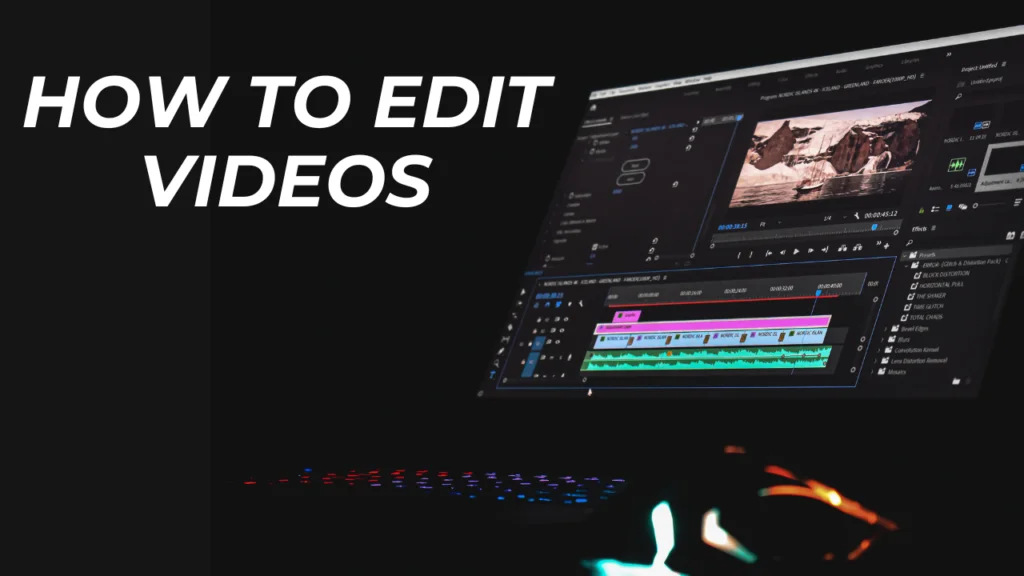
Benefits of Cloud-Based Workflows:
- Seamless Collaboration: Cloud platforms will make it possible for editors, sound designers, and VFX artists to work together in real time, editing the same video simultaneously.
- Storage and Accessibility: High-definition video files are large, and with future cloud storage options, file sharing and accessibility will be more efficient and secure.
- Remote Editing: Editors can access projects from anywhere, using cloud-powered tools that enable professional-grade editing on any device.
Example:
Collaborating with a team in multiple time zones on a global film project could mean having one editor work during the day, while others continue the work through the night, ensuring 24/7 production.
4. Learning New Editing Styles and Formats
By 2040, new video formats will emerge, and it’s essential to stay flexible and adaptable in your editing style. Beyond traditional videos, we’ll see more demand for interactive and immersive content. Editors will need to learn how to create compelling experiences that can engage audiences in new ways.
Skills to Develop:
- 360° Video Editing: Editing immersive 360-degree videos will be more common, especially as virtual and augmented reality become more mainstream.
- Interactive Video: Interactive content, where viewers make choices that affect the video narrative, will require editors to develop new strategies for storytelling.
- Multi-Platform Content: With an increase in platforms for content consumption, editors will need to master creating videos that are optimized for multiple screens and devices (from smart glasses to mobile screens).
Example:
A 360-degree video experience where the viewer can control the direction of the video, choosing which characters or elements to focus on, will require you to think differently about the flow of the content and how to guide the viewer’s attention.
5. Mastering Virtual and Augmented Reality Video Editing
In 2040, VR and AR video editing will become increasingly important as these technologies reach new levels of accessibility and sophistication. Video editors will be required to develop skills in both creating immersive environments and editing them seamlessly.
Future Trends:
- Editing in 3D: Video editors will use specialized VR headsets and AR tools to make real-time adjustments to 3D environments. This will require a solid understanding of spatial design and interactive storytelling.
- Mixed-Reality Integration: Combining real-world video footage with AR/VR elements will allow for groundbreaking visual effects and storytelling approaches.
Example:
Editing a scene where an actor interacts with a virtual background, combining live-action footage with AR graphics, will require a new level of technical skill and creativity to seamlessly blend the two elements.
6. Mastering the Art of Storytelling
In 2040, technical skills will be just as important as storytelling ability. Video editors will not only need to master advanced tools and technologies, but they will also have to excel at storytelling in various formats, making them integral to the creative process.
Key Storytelling Skills:
- Emotion through Editing: The pacing, rhythm, and choices made during editing should elicit emotions from the audience. Editors must become skilled at selecting shots and applying techniques that enhance the narrative.
- Cross-Platform Storytelling: The ability to craft a cohesive story across multiple platforms (e.g., Instagram, YouTube, virtual reality) will become more important.
- Editing for Engagement: As social media evolves, understanding what keeps viewers engaged and how to maintain their attention will be crucial for editors.
Example:
For a short-form video on social media, you’ll need to create content that captures attention immediately while maintaining the story’s integrity in just a few seconds of footage. In longer formats, maintaining the audience’s emotional investment throughout is key.
Conclusion
Mastering video editing in 2040 will require embracing new technologies, learning new editing techniques, and adapting to changing trends. AI-powered tools, immersive AR/VR environments, cloud collaboration, and evolving content formats will all play crucial roles in shaping the future of video editing. By continuously developing your skills and staying informed about emerging trends, you can position yourself as a leader in the industry, ready to take advantage of the incredible opportunities that 2040 will bring.
Now is the time to start mastering these skills and preparing for the future of video editing.