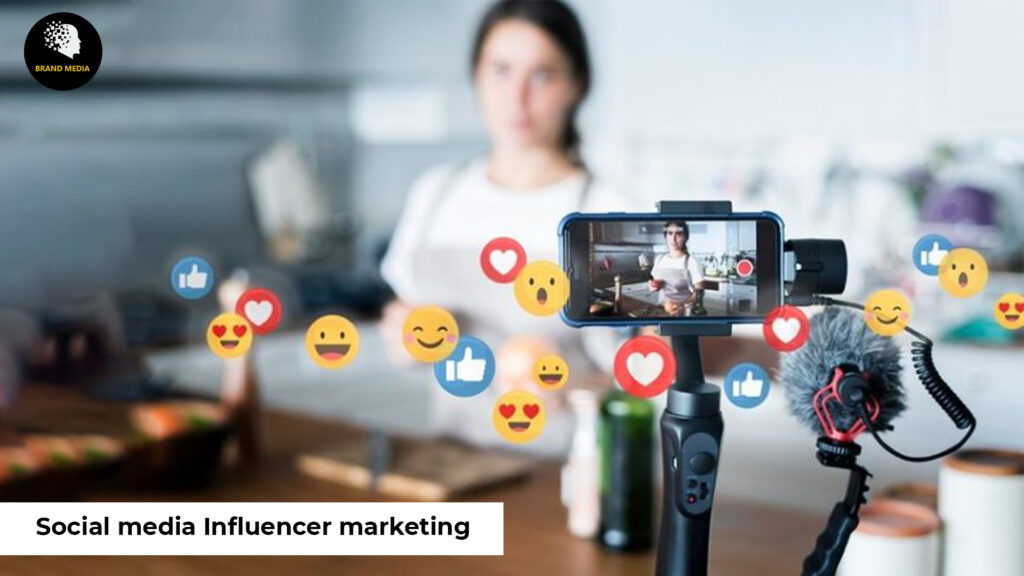
The Power of Social Media Influencer Marketing:
How It’s Shaping Modern Branding In today’s digital age, social media influencer marketing has emerged as a powerful strategy for brands seeking to enhance their visibility, engage with targeted audiences, and drive sales. With the widespread use of social platforms such as Instagram, TikTok, YouTube, and Twitter, brands are tapping into the influence of content creators to extend their reach in ways that traditional advertising simply can’t match. What is Social Media Influencer Marketing? Social media influencer marketing involves partnering with individuals who have a significant following on social media platforms. These influencers, who may be celebrities, experts, or everyday content creators, have established trust with their audience, which brands leverage to promote their products or services. The strategy capitalizes on the influence these individuals have to impact purchasing decisions and shape brand perceptions. Influencer marketing can be divided into several categories based on the influencer’s reach and expertise: Each level of influencer brings a unique set of benefits to the table, depending on the brand’s objectives, the target audience, and the campaign goals. Why Social Media Influencer Marketing Works 1. Trust and Credibility Consumers today are increasingly skeptical of traditional advertising methods. According to research, over 40% of internet users report ad fatigue, and many actively use ad-blockers. Social media influencers, however, have built strong relationships with their followers based on trust and credibility. When an influencer endorses a product, their audience is more likely to trust the recommendation because it comes from someone they already admire or relate to. 2. Highly Targeted Audiences One of the key advantages of influencer marketing is the ability to target specific demographic groups with precision. Whether a brand is looking to target millennials, health-conscious consumers, or tech enthusiasts, there are influencers for every niche. Influencers often cater to highly specific audiences, making it easier for brands to reach the exact people who are most likely to be interested in their products. 3. Authenticity and Relatability Consumers are more likely to connect with content that feels authentic and relatable. Influencers often create content that seamlessly integrates brand messages with their own personal style, making promotions feel less like advertisements and more like genuine recommendations. This level of authenticity can drive higher engagement rates compared to more traditional ad formats. 4. Cost-Effectiveness While partnering with mega-influencers can be expensive, micro and nano influencers offer a cost-effective alternative. With smaller followings, these influencers often offer higher engagement rates, meaning brands can achieve better results for a lower investment. Furthermore, these influencers tend to have highly loyal audiences, which can lead to increased conversions. How to Create a Successful Social Media Influencer Marketing Campaign To maximize the effectiveness of social media influencer marketing, brands must approach campaigns strategically. Here’s how to create a campaign that delivers results: 1. Set Clear Goals and Objectives The first step in any influencer marketing campaign is to define clear goals. Whether it’s increasing brand awareness, boosting sales, or launching a new product, understanding the objective helps in selecting the right influencers and measuring the campaign’s success. 2. Choose the Right Influencers Choosing the right influencer is crucial. Brands should look for influencers whose values align with theirs and whose audience matches the target demographic. Factors such as engagement rate, content quality, and authenticity should be prioritized over sheer follower count. Additionally, brands should evaluate an influencer’s past collaborations to ensure they have a proven track record of successful campaigns. Tools like BuzzSumo and Upfluence can help identify influencers based on their audience’s interests and engagement patterns. 3. Create Compelling Content Content is at the heart of influencer marketing. While it’s important to provide influencers with guidelines, allowing them to create authentic content is essential. Influencers understand their audience’s preferences better than anyone, and giving them creative freedom will result in content that resonates more deeply. The content can take various forms, such as sponsored posts, product reviews, unboxing videos, or even interactive Instagram Stories. Regardless of the format, the focus should be on creating value for the audience while subtly incorporating the brand message. 4. Track Performance and Analyze Results To assess the effectiveness of an influencer campaign, it’s crucial to track key performance indicators (KPIs) such as engagement rate, website traffic, and conversions. Tools like Google Analytics, Instagram Insights, and Influencity can provide valuable data on campaign performance. Based on the results, adjustments can be made for future campaigns to optimize results. Leveraging AI and Data Analytics in Influencer Marketing Incorporating AI and data analytics into influencer marketing is becoming increasingly important for achieving more precise targeting and better outcomes. AI-powered platforms can analyze large sets of data to identify influencers whose audiences are most likely to engage with a brand’s message. Additionally, AI can help optimize content strategies by analyzing which types of posts perform best across different platforms. For example, AI-driven tools can automatically track metrics such as engagement rates, conversions, and sentiment analysis. These insights allow brands to make data-driven decisions and refine their influencer strategies in real time. The Future of Social Media Influencer Marketing As social media platforms continue to evolve, influencer marketing will remain a central component of digital advertising strategies. However, as the industry matures, brands will need to be more strategic in their partnerships and focus on long-term relationships with influencers rather than one-off campaigns. Moreover, new technologies, such as AI-generated content and virtual influencers, will shape the next generation of influencer marketing. Virtual influencers, for instance, are AI-created characters who possess human-like traits and can be used to promote products. These digital personalities offer brands more control over messaging and greater flexibility in terms of content creation. Conclusion Social media influencer marketing has proven to be one of the most effective ways for brands to engage with their audiences, build trust, and drive sales. With its ability to target niche audiences, create authentic content, and leverage the influence of trusted figures, influencer marketing is poised to remain a key pillar of modern branding strategies. As technology continues to advance, … Continue reading The Power of Social Media Influencer Marketing: