

A Step-by-Step Guide to Improving Your Website’s Visibility
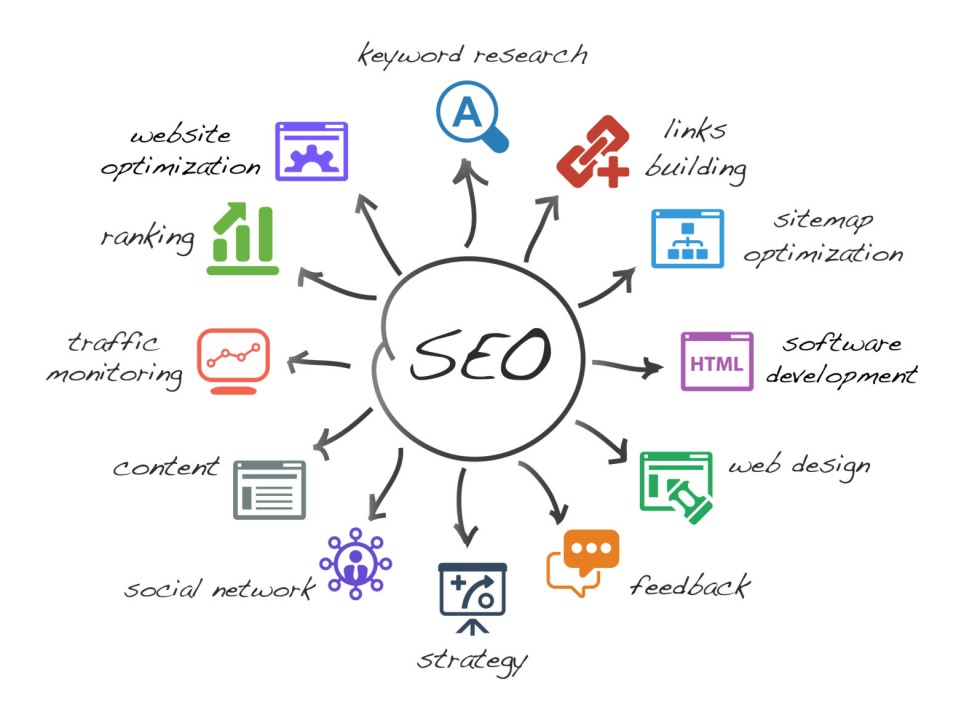
Search engine optimization (SEO) is a vital tool for anyone looking to improve their online presence, especially for beginners. Comprehensive SEO strategies for beginners can seem overwhelming, but with the right approach, you can make significant strides in improving your website’s rankings and attracting organic traffic. SEO is not a one-time task but an ongoing effort that combines technical knowledge, content creation, and link-building practices. In this guide, we’ll walk you through the essential SEO strategies that will lay a solid foundation for beginners, helping you navigate the complexities of SEO with ease and confidence.
What is SEO and Why is it Important?
SEO stands for Search Engine Optimization, which is the practice of optimizing your website to increase its visibility in search engine results. When done correctly, SEO helps improve your website’s rankings on search engines like Google, leading to increased traffic and ultimately more conversions. For beginners, understanding the importance of SEO is crucial, as it’s one of the most cost-effective and long-term ways to attract visitors to your site without relying heavily on paid advertising.
Why SEO is Key for Beginners:
- Increased Organic Traffic: Higher rankings in search engines lead to more traffic.
- Cost-Effective: Unlike paid advertising, SEO targets users who are actively searching for your products or services.
- Long-Term Results: Once you rank well, it’s easier to maintain high visibility over time.
Key Elements of Comprehensive SEO Strategies for Beginners
1. Keyword Research: The Foundation of SEO
Keyword research is the first and most important step in any SEO strategy. Understanding what your audience is searching for allows you to optimize your content to match their needs. For beginners, learning how to choose the right keywords is essential for driving targeted traffic to your website.
- Actionable Tip: Use tools like Google Keyword Planner or Ubersuggest to identify high-volume keywords in your industry.
- Example: If you run a bakery, target keywords like “best cakes near me” or “fresh pastries in [city name].”
Impact: By targeting the right keywords, you ensure your website is discoverable by people who are actively looking for what you offer.
2. On-Page SEO: Optimize Your Website’s Content
On-page SEO refers to the elements of your website that you can optimize directly, such as title tags, meta descriptions, and content. Ensuring your content is both informative and keyword-optimized is crucial for beginners looking to boost their rankings.
- Key On-Page SEO Factors:
- Title Tags: Include your target keyword in the title tag to tell search engines and users what your page is about.
- Meta Descriptions: Craft compelling meta descriptions with relevant keywords that encourage users to click.
- Header Tags: Use H1, H2, and H3 tags to structure your content and include keywords where appropriate.
- Example: A blog post titled “10 Tips for a Successful Home Garden” should include variations of keywords like “home gardening tips” and “gardening for beginners” in the headings.
Impact: Optimizing on-page elements makes your website easier for search engines to crawl and understand, leading to improved rankings.
3. Content Creation: Provide Value to Your Audience
Creating high-quality, relevant content is at the heart of any comprehensive SEO strategy for beginners. Search engines prioritize websites that provide useful, well-written content that satisfies user intent. For beginners, focusing on creating valuable content that answers your audience’s questions is essential.
- Actionable Tip: Focus on blog posts, guides, and tutorials that address common pain points in your industry.
- Example: If you’re in the fitness industry, create content around “How to Start a Home Workout Routine” or “Top Exercises for Beginners.”
Impact: Quality content not only improves SEO but also builds trust with your audience, encouraging them to return to your site.
4. Mobile Optimization: Make Your Site Mobile-Friendly
With an increasing number of users browsing the internet on mobile devices, Google prioritizes mobile-friendly websites in its rankings. Ensuring your website is responsive and easy to navigate on smartphones and tablets is critical for both user experience and SEO.
- Actionable Tip: Use Google’s Mobile-Friendly Test tool to check how well your website performs on mobile devices.
- Example: A responsive website design ensures that visitors can read content and navigate your site without any issues, regardless of screen size.
Impact: Mobile optimization not only improves your website’s SEO performance but also enhances user experience, leading to lower bounce rates and higher engagement.
5. Link Building: Establish Authority and Trust
Link building is a strategy that involves acquiring backlinks from other websites to yours. Search engines use backlinks as a signal of authority and trustworthiness. For beginners, it’s essential to focus on acquiring high-quality backlinks from relevant, authoritative websites in your niche.
- Actionable Tip: Start by guest posting on blogs, participating in online communities, and reaching out for collaborations to build backlinks.
- Example: If you run an online clothing store, you could collaborate with fashion bloggers to get mentions or backlinks to your product pages.
Impact: Backlinks enhance your website’s domain authority, improving your chances of ranking higher in search engine results.
6. Technical SEO: Ensure Your Site is Search Engine-Friendly
Technical SEO refers to the behind-the-scenes aspects of your website that influence its performance on search engines. For beginners, focusing on technical SEO elements like website speed, secure connections, and site architecture is key to ensuring your site is easily crawled by search engines.
- Key Technical SEO Factors:
- Website Speed: A slow website can hurt rankings. Use tools like Google PageSpeed Insights to optimize your site’s loading time.
- Secure Website (HTTPS): Websites with HTTPS are considered more secure and are favored by Google.
- XML Sitemap: Make sure your website has a sitemap that helps search engines crawl your pages efficiently.
- Example: A well-optimized site with fast load times and secure connections improves user experience and ensures search engines can easily index your content.
Impact: Technical SEO lays the groundwork for all other SEO efforts, ensuring your site is search engine-friendly and easily discoverable.
Conclusion
By implementing comprehensive SEO strategies for beginners, you can create a strong foundation for your website’s success. Start by focusing on keyword research, optimizing on-page elements, producing valuable content, and building links. Don’t forget about mobile optimization and technical SEO to ensure your site is performing at its best. With patience, consistency, and continuous learning, you’ll see improvements in your search rankings and organic traffic.
Remember, SEO is a long-term investment that can bring lasting results. Keep refining your strategies, and over time, you’ll see your website climb the search engine rankings, attracting more visitors and growing your business.