

In the fast-paced digital landscape, standing out is more challenging than ever. Companies need more than just creative campaigns; they require data-backed strategies to maximize their reach and impact. This is where Brand Media excels, leveraging cutting-edge analytics to optimize brand visibility. By utilizing data-driven insights, Brand Media ensures businesses can connect with their target audiences effectively and efficiently. In this article, we will explore how Brand Media uses data-driven strategies to elevate brand visibility and drive business success.
Understanding Data-Driven Marketing
Data-driven marketing is the process of leveraging data analytics to guide strategic marketing decisions. It involves collecting, analyzing, and interpreting consumer behaviors, preferences, and trends to create highly targeted and effective campaigns. This approach ensures that marketing efforts are not based on assumptions but are tailored to meet audience needs with precision.
Key components of data-driven marketing include:
- Customer Insights: Understanding demographics, behaviors, and purchasing patterns.
- Performance Metrics: Measuring the effectiveness of campaigns through KPIs such as engagement rates, conversions, and ROI.
- Predictive Analytics: Using historical data to forecast future trends and consumer behaviors.
- Personalization: Delivering tailored content to enhance user experience and engagement.
How Brand Media Leverages Data to Enhance Visibility
Brand Media integrates data-driven strategies into every aspect of marketing to boost brand awareness and engagement. Here’s how:
1. Audience Segmentation and Targeting
One-size-fits-all marketing is a thing of the past. Brand Media utilizes AI-powered tools to segment audiences based on:
- Age, gender, and location
- Online behaviors and interactions
- Purchase history and preferences By understanding these insights, businesses can create personalized content and ads that resonate with specific customer groups.
2. Optimizing Social Media Campaigns
Social media is one of the most powerful platforms for brand visibility. Brand Media employs analytics tools to track:
- Engagement levels on different content types
- Best times to post for maximum reach
- Competitor performance and industry benchmarks With these insights, brands can fine-tune their content strategy, ensuring higher engagement and visibility.
3. SEO and Content Marketing Strategies
Search engine optimization (SEO) plays a crucial role in brand visibility. Brand Media analyzes search trends and keyword performance to:
- Optimize website content for relevant keywords
- Create high-quality blogs, infographics, and videos that attract organic traffic
- Improve website structure for better search rankings By aligning content strategies with data insights, brands can enhance their online presence and reach a wider audience.
4. Conversion Rate Optimization (CRO)
Getting traffic to a website is one thing; converting visitors into customers is another. Brand Media uses data to:
- Conduct A/B testing on website layouts and calls-to-action
- Analyze user journeys and drop-off points
- Improve landing pages for higher conversion rates This approach ensures that marketing efforts lead to actual business growth, not just visibility.
5. Performance Tracking and Continuous Improvement
Data-driven marketing is an ongoing process. Brand Media constantly monitors campaign performance using:
- Google Analytics and other tracking tools
- Customer feedback and reviews
- Real-time reporting dashboards By analyzing these insights, strategies are adjusted in real-time to maximize effectiveness and adapt to changing market conditions.
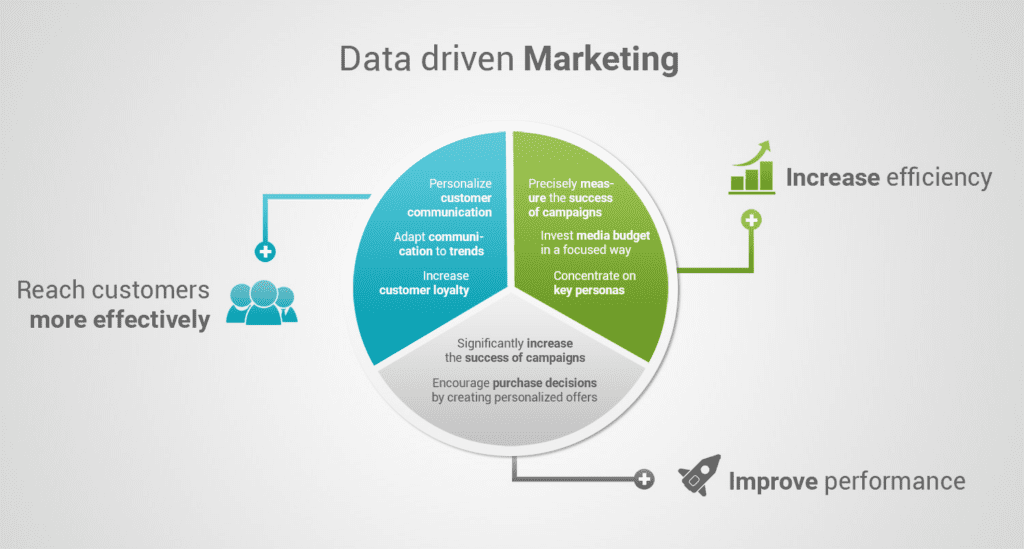
Case Study: A Success Story with Brand Media
One of Brand Media’s clients, an emerging fashion brand, struggled with low online visibility. By implementing a data-driven approach, Brand Media:
- Conducted in-depth audience research to refine their target market
- Optimized their website for high-ranking keywords
- Launched personalized social media ad campaigns Within three months, the brand saw a 45% increase in website traffic and a 30% boost in conversions, proving the power of data-backed marketing strategies.
Conclusion
The digital marketing landscape is constantly evolving, and businesses that rely solely on traditional marketing tactics risk falling behind. How Brand Media Uses Data-Driven Strategies to Elevate Brand Visibility showcases the importance of integrating analytics into marketing efforts. By leveraging audience insights, optimizing campaigns, and continuously refining strategies, brands can achieve sustained visibility and long-term success. If you’re looking to enhance your brand’s digital presence, consider adopting data-driven marketing strategies today.