

In the digital age, businesses must adapt to rapidly changing technology in order to stay competitive. Software development solutions for businesses have become essential for streamlining operations, improving customer experience, and driving growth. Custom software applications can transform the way a company operates, from automating mundane tasks to offering innovative solutions that set you apart in the market. This article explores the importance of software development for businesses, the types of solutions available, and how these solutions can positively impact your company’s success.
Why Software Development Solutions are Vital for Businesses
1. Enhancing Operational Efficiency
One of the primary benefits of software development solutions for businesses is the ability to automate processes, improving both speed and accuracy. Instead of relying on manual labor, custom software can handle repetitive tasks, reducing the likelihood of human error and freeing up resources for more strategic work. This leads to higher productivity and efficiency across all areas of a business.
- Example: A logistics company can utilize custom software to automate inventory management, reduce stock discrepancies, and improve delivery times.
2. Improving Customer Experience
Businesses need to provide a seamless experience to their customers, whether they’re interacting with a website, mobile app, or customer service platform. Software development solutions allow companies to create tailored experiences that meet their customers’ needs. From intuitive user interfaces to personalized recommendations, custom software helps businesses create long-lasting customer relationships.
- Example: An e-commerce platform may develop a personalized shopping experience through software that suggests products based on user preferences and purchase history.
3. Scalability and Growth
As businesses grow, their operational needs evolve. Software development solutions for businesses ensure that growth is supported with scalable applications. Custom software can be designed to grow with the company, whether expanding into new markets, handling more data, or adding new functionalities.
- Example: A SaaS company may need to develop software that can manage an increasing number of users, offer more features, or integrate with third-party tools as the customer base grows.
Types of Software Development Solutions for Businesses
1. Enterprise Resource Planning (ERP) Systems
ERP systems integrate key business functions such as accounting, inventory management, human resources, and customer relationship management into one unified platform. This ensures that information flows seamlessly across departments, improving decision-making and collaboration. Custom ERP solutions are ideal for businesses looking to enhance coordination and simplify complex operations.
- Example: A manufacturing company might use an ERP system to track production processes, monitor supply chain logistics, and manage employee schedules, all from one system.
2. Customer Relationship Management (CRM) Software
CRM software helps businesses manage interactions with customers, track sales, and streamline communication. Custom CRM solutions can be tailored to your business’s unique needs, from tracking customer inquiries to automating follow-up emails and generating detailed reports.
- Example: A marketing agency might use CRM software to track leads, send personalized outreach emails, and maintain a detailed database of client interactions.
3. Mobile App Development
In today’s world, mobile apps are essential for businesses seeking to reach customers on the go. Whether it’s for e-commerce, service booking, or customer support, a well-designed mobile app can improve customer engagement and retention. Developing custom mobile apps tailored to business needs is an effective way to stand out in a competitive market.
- Example: A fitness startup might develop a mobile app to offer personalized workout plans, track fitness progress, and integrate with wearables to give users a more interactive experience.
4. Business Intelligence (BI) Tools
BI tools allow businesses to collect, analyze, and interpret data to make informed decisions. Custom software solutions can create BI platforms that provide real-time dashboards, data visualization, and detailed insights, enabling businesses to identify trends, measure performance, and make data-driven decisions.
- Example: A retail business might use BI tools to analyze sales data, customer demographics, and purchasing behavior to optimize inventory and marketing strategies.
Benefits of Custom Software Solutions
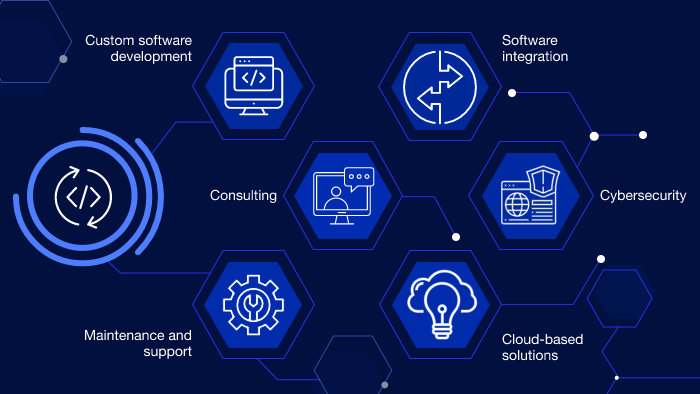
1. Tailored to Business Needs
Off-the-shelf software may not always meet the specific needs of a business. Custom software solutions can be designed to cater to unique processes, requirements, and goals, ensuring that the software adds value and contributes to business success.
- Example: A restaurant business might require a point-of-sale system that integrates with inventory management, employee scheduling, and customer loyalty programs – something that off-the-shelf solutions may not fully offer.
2. Better Security
Custom software development ensures that security measures are tailored to your specific business needs. Since cybersecurity is a significant concern, having a custom-built system ensures that your business data is secure and that compliance regulations are met.
- Example: A financial institution developing custom software might include end-to-end encryption and multi-factor authentication to safeguard sensitive financial data.
3. Improved Flexibility and Control
Custom software gives businesses greater flexibility in adapting to changes. Whether you need to scale your business or add new features, custom solutions allow for easy updates and modifications. Businesses can retain control over how their software evolves and aligns with future goals.
- Example: A healthcare company may need to add new medical features or integrate telemedicine options into their system as regulations and patient needs evolve.
Challenges of Software Development for Businesses
1. Cost Considerations
Developing custom software can be more expensive than using pre-built solutions, especially for small businesses with limited budgets. However, the long-term benefits often outweigh the initial investment. By increasing efficiency, improving customer engagement, and providing scalability, custom software can provide a substantial return on investment (ROI).
- Tip: Start with a Minimum Viable Product (MVP) to test the concept and gather user feedback before making larger investments.
2. Development Time
Custom software development can be a lengthy process, especially for businesses with complex needs. The timeline may vary depending on the scope of the project, from requirements gathering to testing and deployment. It’s important to set realistic expectations and plan accordingly.
- Tip: Collaborate with experienced developers who can help create a roadmap and deliver the project in stages to reduce time-to-market.
3. Ongoing Maintenance and Updates
Once the software is developed, it requires ongoing maintenance to address bugs, ensure security, and add new features. Businesses need to account for these ongoing costs and resources to keep their software running smoothly.
- Tip: Build a long-term relationship with your software development team to ensure continuous support and updates.
Conclusion
Software development solutions for businesses provide a wide array of benefits that can help companies of all sizes streamline operations, improve customer engagement, and support long-term growth. Whether through enterprise software, CRM systems, or mobile apps, custom solutions offer the flexibility, security, and scalability needed to meet today’s business challenges. While the development process may require significant time and investment, the rewards can be substantial, making custom software a valuable tool for businesses looking to stay competitive in the digital era.
Ready to unlock the potential of custom software for your business? Partner with a skilled development team to create solutions that align with your goals and drive success.