

Unlocking New Opportunities
In today’s digital age, software development for business growth has become an essential strategy for companies looking to scale, optimize operations, and stay competitive. As businesses continue to face new challenges and opportunities, custom software solutions can unlock efficiencies, enhance customer experiences, and open doors to new revenue streams. Whether you’re a small startup or an established enterprise, investing in tailored software development can drive innovation and facilitate business expansion. This article explores the importance of software development in fueling business growth and offers insights into how businesses can harness the power of technology to achieve their goals.
How Software Development Drives Business Growth
1. Improving Operational Efficiency
One of the most significant benefits of software development for business growth is its ability to streamline operations. By developing custom software solutions tailored to your company’s needs, you can automate time-consuming tasks, reduce manual errors, and eliminate redundancies. This boosts overall productivity and allows employees to focus on more strategic initiatives.
For instance, an e-commerce company could build a custom inventory management system to track product stock in real time, avoiding overstocking or stockouts. Similarly, businesses in the service industry could develop software that automates scheduling, billing, and client communications, resulting in improved service delivery and cost savings.
2. Enhancing Customer Experience
A seamless and personalized customer experience is crucial to business success. Custom software solutions can help companies improve their customer service, create user-friendly interfaces, and provide targeted offerings. Whether it’s through a mobile app, a personalized website experience, or AI-powered chatbots, investing in software development can significantly enhance the way businesses interact with their customers.
For example, a fitness company might create a mobile app that offers personalized workout plans and progress tracking for each user. A custom software solution allows businesses to cater to the unique needs and preferences of their customers, building stronger relationships and fostering brand loyalty.
3. Data-Driven Decision Making
Software development plays a crucial role in empowering businesses to make data-driven decisions. By integrating advanced analytics and reporting tools into custom software solutions, businesses can gather actionable insights from data and use them to inform strategic decisions. Whether it’s tracking sales performance, customer behavior, or market trends, having access to real-time, accurate data helps businesses stay ahead of the competition.
For example, a retailer could use custom software to analyze purchasing patterns and optimize inventory levels, pricing strategies, and marketing campaigns. This enables businesses to respond to market changes more quickly and improve their overall performance.
The Advantages of Custom Software Development
1. Scalability and Flexibility
Custom software development offers unmatched scalability and flexibility. Unlike off-the-shelf software solutions, custom-built applications can be designed to evolve with your business as it grows. As your company expands, your software can be adapted to accommodate increasing user numbers, new features, or changing workflows without the need to switch platforms.
For instance, a growing startup can build a software system that accommodates its current needs, but also leaves room for future expansion, such as additional modules, integrations, or support for new devices and platforms. This flexibility ensures that businesses are not limited by rigid software solutions as they scale.
2. Competitive Advantage
In many industries, differentiation is key to standing out in a crowded market. By developing custom software, businesses can create unique solutions that set them apart from competitors. Whether it’s a unique feature in a product, a specialized customer service tool, or an advanced data analytics dashboard, custom software allows businesses to offer something distinct that mass-market solutions cannot.
For example, a logistics company might develop a custom route optimization software to streamline deliveries, reduce fuel costs, and improve delivery times, giving it a competitive edge over rivals relying on generic solutions. By investing in software development, businesses can carve out a niche and gain an advantage in their industry.
3. Cost-Effectiveness in the Long Run
While the initial cost of custom software development may seem higher than opting for an off-the-shelf solution, in the long term, custom software can save businesses money. Tailored solutions are designed to meet specific business requirements, reducing the need for costly modifications or unnecessary features that may come with generic software.
Moreover, custom-built software can help businesses optimize processes, eliminate inefficiencies, and reduce reliance on manual labor, further contributing to cost savings. Over time, the ROI from custom software can outweigh the upfront investment, especially when it supports long-term business growth.
Key Considerations When Choosing Software Development for Your Business
1. Identifying Your Needs
Before beginning any software development project, it’s essential to clearly identify your business needs. What challenges are you trying to solve? How can custom software help streamline operations, improve customer engagement, or support decision-making? Understanding your goals will help guide the development process and ensure that the final product aligns with your business objectives.
2. Selecting the Right Development Partner
Choosing the right software development partner is crucial for the success of your project. Look for a company or team with a proven track record of delivering high-quality, scalable software solutions. Consider their expertise, technical capabilities, and ability to understand your business needs. Collaborating with a skilled development team will ensure that the software is developed efficiently, on time, and within budget.
3. Continuous Improvement and Support
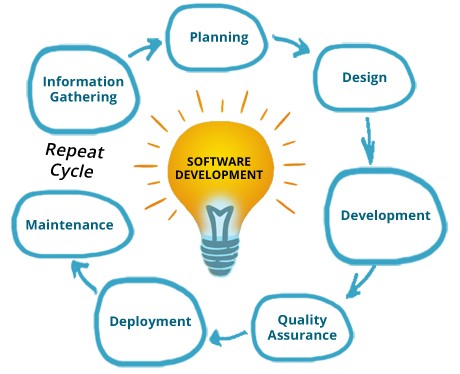
Software development is an ongoing process. As your business grows and changes, your software should evolve to meet new demands. Make sure your development partner offers ongoing support and maintenance services to ensure the software remains up to date, secure, and effective.
Conclusion
Incorporating software development for business growth is no longer just an option; it’s a necessity for companies aiming to scale, optimize operations, and stay ahead in a competitive market. By embracing custom software solutions, businesses can enhance customer experiences, streamline operations, make data-driven decisions, and gain a competitive advantage. Whether you’re a small startup or an established enterprise, investing in software development will pay dividends in the form of increased efficiency, improved performance, and long-term growth.
If you’re ready to take your business to the next level, explore how custom software development can help you achieve your goals and set your company on a path to success.