

A Comprehensive Guide for 2025
In the evolving landscape of business, digital platforms have become a crucial tool for companies and individuals seeking to establish and amplify their thought leadership agenda. Thought leadership involves positioning oneself or one’s organization as an expert and authority within a specific industry or niche. With the rise of digital platforms and tools, thought leaders can now reach wider audiences, engage with them more effectively, and establish credibility faster than ever before. In this article, we explore the ways in which digital tools and strategies can drive a thought leadership agenda and help businesses stand out in 2025.
Understanding Thought Leadership in the Digital Age
Before diving into how digital can accelerate thought leadership, it’s important to understand what thought leadership means today. Thought leadership is about being seen as a go-to source for industry insights, ideas, and innovative solutions. It is rooted in establishing trust, authority, and credibility within a specific field.
In the digital age, traditional methods of establishing expertise (e.g., print media, conferences, or word-of-mouth) are being replaced or augmented by online tools and strategies. Digital thought leadership involves leveraging online platforms such as blogs, social media, podcasts, and videos to share knowledge, insights, and unique perspectives.
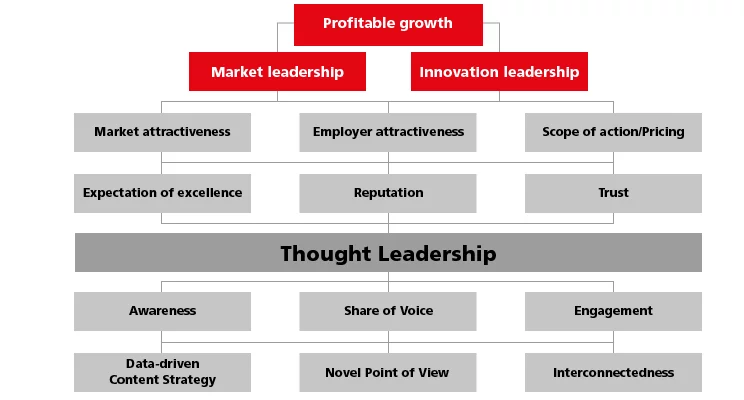
As businesses strive to stand out and differentiate themselves, using digital to drive thought leadership is increasingly vital. It allows organizations to build a recognizable and consistent presence while demonstrating their expertise.
1. Leveraging Content Marketing for Thought Leadership
Content marketing is a cornerstone of digital thought leadership. To drive your thought leadership agenda, producing high-quality, authoritative, and insightful content is essential. This content could range from blogs, articles, and whitepapers to videos, webinars, and podcasts.
Content Strategy:
- Create Long-Form Content: In-depth articles, case studies, and whitepapers allow you to demonstrate expertise and provide value to your audience. For example, publishing a guide to the future of AI in healthcare or an industry forecast for 2025 can position your brand as a key authority.
- Content Consistency: Regular posting on platforms like LinkedIn, Medium, or your own blog establishes a consistent online presence. Thought leaders are seen as relevant when their insights are continually shared and updated.
Why It Works:
- Thought leaders build credibility by offering valuable and relevant information that resonates with their target audience. Well-researched, insightful content attracts followers and establishes trust.
2. Social Media as a Thought Leadership Amplifier
Social media platforms have become essential tools for thought leaders. Platforms such as LinkedIn, Twitter, and Instagram not only provide a space for individuals to share their expertise but also enable direct engagement with an audience.
Social Media Strategies:
- Active Engagement: Instead of just publishing content, actively engage with your audience. Respond to comments, participate in conversations, and share insights into trending topics in your industry.
- Share Valuable Opinions: Share quick insights or comments on current industry news. This establishes you as someone who is up-to-date with the latest developments.
- Influencer Collaboration: Collaborating with influencers or other thought leaders within your field can amplify your message and increase your visibility.
Why Social Media Matters:
- Social media platforms help create an open dialogue with followers, enabling thought leaders to directly interact with their target audience. It fosters a sense of community and provides instant access to an engaged audience.
3. Utilizing SEO to Amplify Thought Leadership Content
Search engine optimization (SEO) is crucial when using digital tools to drive thought leadership. If your content doesn’t rank well in search engines, it won’t be seen. For thought leadership to be successful, your insights and expertise need to be discoverable by your target audience.
SEO Strategies for Thought Leadership:
- Keyword Optimization: Research and identify relevant keywords that resonate with your audience. For example, for someone in the AI industry, long-tail keywords like “AI content creation for businesses” or “how AI transforms customer service” could help your content rank higher.
- Backlinking: Gaining backlinks from credible sites is a powerful way to improve your search engine ranking. Writing guest blog posts or participating in industry forums can help you achieve this.
Why SEO Matters:
- Proper SEO strategies ensure that your content is visible and easily accessible to users searching for insights in your industry. High-ranking content positions you as an authority and thought leader.
4. Using Webinars and Virtual Conferences to Showcase Expertise
Webinars and virtual conferences provide an excellent opportunity for thought leaders to showcase their expertise in real time. These interactive platforms allow for deeper engagement with your audience and can be used to present new ideas, share case studies, and answer questions.
Strategies for Webinars and Virtual Events:
- Host Expert Panels: Hosting discussions with other experts in your field can demonstrate that you are at the forefront of industry knowledge.
- Focus on Value: When hosting a webinar, ensure that the content is not just a sales pitch. Offer real value, such as actionable insights or problem-solving strategies, to position yourself as a true thought leader.
Why This Works:
- Webinars and virtual conferences allow thought leaders to showcase their depth of knowledge and provide valuable learning experiences for their audience. It also positions you as an authority figure who others turn to for knowledge.
5. Podcasts: Sharing Your Expertise in a More Personal Way
Podcasts have grown rapidly in recent years, offering an intimate platform to connect with your audience. In 2025, podcasts will continue to be an essential medium for building a thought leadership agenda.
Podcasting Strategies:
- Share Real-World Experiences: Offer listeners valuable insights into how your experiences can help them. Sharing challenges, success stories, and industry developments can resonate deeply with your audience.
- Interview Other Thought Leaders: By hosting other industry experts on your podcast, you not only enrich your content but also increase your credibility and build your network.
Why Podcasts Work:
- Podcasts allow for a personal connection with the audience, making listeners more likely to trust the information provided. The conversational tone of podcasts also humanizes the thought leader, making them more approachable.
6. Measuring and Adapting Your Digital Thought Leadership Strategy
Digital thought leadership isn’t just about publishing content—it’s about ensuring that content resonates with your audience and generates the desired results. In 2025, businesses will need to constantly evaluate and adjust their strategies using data and analytics.
Measuring Success:
- Analytics Tools: Use tools like Google Analytics, LinkedIn Analytics, or podcasting platforms’ data to measure how well your content is performing.
- Engagement Metrics: Track likes, shares, comments, and backlinks to gauge the level of engagement and influence your content is generating.
Why Metrics Matter:
- By analyzing metrics, you can identify what works and refine your strategy. Whether it’s tweaking your content for SEO, adjusting your social media approach, or expanding your podcasting reach, data-driven decision-making will enhance your thought leadership efforts.
7. Digital Marketing Predictions for the Coming Year:
Conclusion
In 2025, digital platforms will continue to be the primary tool for driving thought leadership agendas. By leveraging content marketing, SEO, social media engagement, virtual events, and podcasting, individuals and organizations can establish themselves as industry experts. As the digital landscape evolves, thought leaders must also be adaptable, using emerging tools and strategies to stay relevant and increase their influence.
Building a successful thought leadership agenda requires consistency, authenticity, and the strategic use of digital channels. When done right, digital tools can significantly enhance your visibility and credibility, establishing you as a trusted authority within your industry. By mastering these strategies, you can confidently drive your thought leadership agenda into 2025 and beyond.