

Innovative Branding Tool or Brand Risk?
In an age where digital innovation is transforming industries, one of the latest trends in marketing and branding is the rise of virtual influencers. These computer-generated personalities are created using artificial intelligence (AI) and 3D modeling, often taking on the characteristics of real human influencers. Virtual influencers are becoming increasingly popular on social media platforms and have already been used in numerous successful marketing campaigns. However, this emerging trend raises an important question: are virtual influencers an innovative branding tool, or do they present potential risks for brands? In this article, we explore both sides of the debate and provide insight into how brands can navigate this new terrain.
What Are Virtual Influencers?
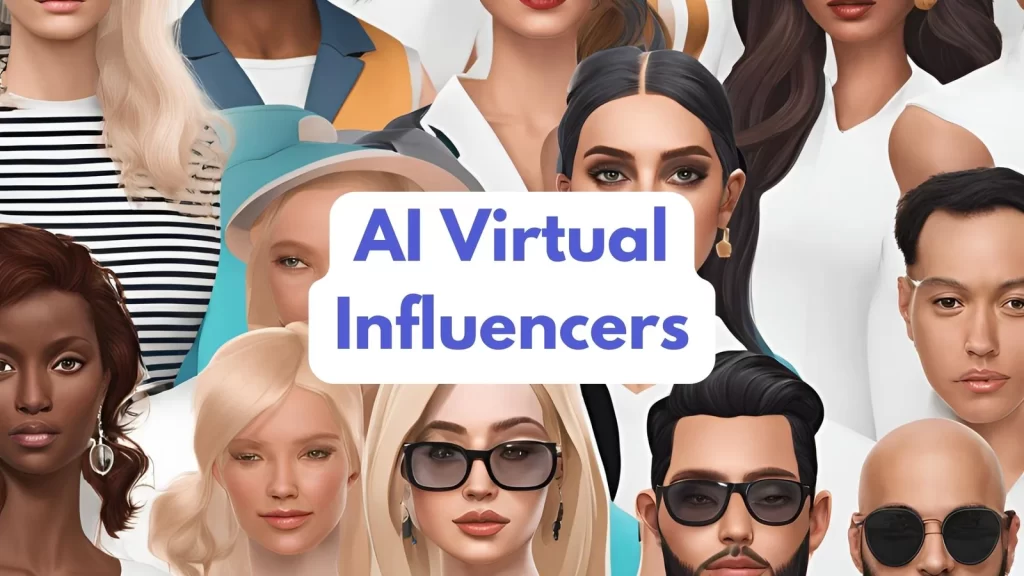
Before diving into the pros and cons of virtual influencers, it’s important to understand exactly what they are. Virtual influencers are entirely digital personas designed with AI and 3D modeling software. Unlike traditional influencers, who are real people that post content online, virtual influencers are created and controlled by brands, agencies, or even independent content creators. These digital personalities can have their own unique backstories, personas, and characteristics, and they interact with followers in much the same way as human influencers.
Some of the most famous virtual influencers include Lil Miquela, a Brazilian-American model and singer with over 3 million followers on Instagram, and Shudu, a digital supermodel. These influencers have gained significant attention due to their lifelike appearance, engaging personalities, and the ability to collaborate with brands in creative ways.
Virtual Influencers as an Innovative Branding Tool
Virtual influencers offer unique opportunities for brands to reach their target audiences in ways that traditional influencers may not be able to. Below are some of the key advantages of using virtual influencers as part of a branding strategy:
1. Complete Control Over Brand Messaging
One of the biggest advantages of virtual influencers is the level of control they offer brands. Since virtual influencers are created and managed by brands or agencies, there is no risk of unexpected controversies or behavior that could tarnish a brand’s reputation. Traditional influencers are human and, as such, their personal actions can impact the brand they represent. With virtual influencers, brands can ensure that every piece of content is aligned with their core messaging and values.
For instance, if a brand is looking to convey a specific image—such as a futuristic, cutting-edge persona—virtual influencers can be designed to embody those qualities. They are free from the unpredictability of human influencers, making them an attractive option for brands seeking consistency and brand integrity.
2. Creative and Cutting-Edge Campaigns
Virtual influencers open the door to creative, boundary-pushing campaigns that would be difficult—or impossible—to execute with human influencers. The flexibility of a digital character allows for a level of storytelling and visual effects that real-life individuals can’t always provide. For example, a virtual influencer can appear in surreal, otherworldly settings or perform impossible stunts, adding a layer of spectacle and engagement to a campaign.
Brands can also experiment with virtual influencers in ways that align with future-facing technology, such as augmented reality (AR) and virtual reality (VR). These interactive, immersive experiences could be perfect for brands looking to emphasize innovation and digital transformation.
3. 24/7 Availability and Consistency
Unlike human influencers, virtual influencers do not require rest, breaks, or time off. This makes them highly reliable for brands with tight schedules or campaigns that need to operate 24/7. Virtual influencers are also consistent in their messaging and behavior, making them a valuable asset for brands looking to maintain a steady stream of content across multiple platforms.
Moreover, virtual influencers can quickly adapt to trends and current events, offering brands the ability to react more swiftly to consumer interests without needing to wait for human influencers to respond.
4. Global Reach and Diversity
Virtual influencers have the potential to transcend geographical boundaries. With no cultural limitations or biases, digital influencers can be designed to appeal to a global audience, making them an ideal fit for international brands. Additionally, virtual influencers can represent diverse backgrounds, body types, and appearances, offering brands the ability to be more inclusive in their marketing efforts.
5. Cost-Effectiveness in the Long Run
While creating a virtual influencer can be expensive initially, there is a potential for cost savings in the long run. Traditional influencers typically charge for each sponsored post, endorsement, or campaign. Over time, these costs can add up significantly. On the other hand, virtual influencers don’t require payment per post, and they don’t need travel, makeup artists, or other expenses associated with human influencers.
The Risks of Using Virtual Influencers
While virtual influencers come with several advantages, they also present potential risks and challenges for brands to consider. Here are some of the key risks associated with using virtual influencers:
1. Lack of Authenticity
One of the most significant challenges with virtual influencers is the perception of authenticity. Traditional influencers are often seen as relatable individuals who share their personal lives, struggles, and successes. Their followers connect with them on a human level, which helps build trust and loyalty.
Virtual influencers, on the other hand, are entirely manufactured, and their actions are carefully scripted. This lack of genuine personality can make it difficult for audiences to connect on an emotional level, potentially reducing the effectiveness of the branding effort. Brands that rely too heavily on virtual influencers risk appearing inauthentic, especially if they don’t acknowledge the fact that their influencer is not real.
2. Ethical Concerns
There are also ethical concerns surrounding the use of virtual influencers. Critics argue that creating digital personas that mimic real people can contribute to unrealistic beauty standards or exacerbate societal issues like body image concerns. Additionally, virtual influencers may be perceived as manipulative since they do not have the same human rights and ethical considerations as traditional influencers.
Furthermore, there’s the question of transparency. When a virtual influencer promotes a product or service, it may not be immediately clear to audiences that the influencer is a computer-generated entity. This lack of transparency can lead to potential backlash from consumers who feel deceived.
3. Legal and Copyright Issues
Since virtual influencers are created using AI and 3D modeling, there are potential intellectual property issues that could arise. For example, if a virtual influencer is designed to closely resemble a real person or celebrity, this could lead to copyright infringement or lawsuits. Brands need to carefully navigate legal considerations to ensure they are not violating intellectual property rights or misleading consumers.
4. Audience Fatigue and Trust Issues
Over-reliance on virtual influencers could eventually lead to audience fatigue. If consumers feel that brands are using digital personas as a shortcut or gimmick, they may lose trust in the brand’s authenticity. This could diminish the effectiveness of campaigns in the long term.
5. Limited Emotional Depth
While virtual influencers can simulate emotions and interactions, they still lack the depth of real human relationships. Followers of traditional influencers often form deep emotional connections with the individuals they follow, while virtual influencers may struggle to foster the same level of emotional resonance. This could limit their effectiveness in campaigns that rely on strong emotional engagement. Influencer Marketing Trends in 2025
Conclusion: Innovative Tool or Brand Risk?
Virtual influencers undoubtedly offer innovative opportunities for brands to create fresh, exciting campaigns that push the boundaries of digital marketing. They provide complete control, limitless creativity, and cost-effective solutions. However, they also present significant risks, particularly when it comes to authenticity, ethical concerns, and audience trust.
Ultimately, whether virtual influencers are an innovative branding tool or a brand risk depends on how they are used. Brands that approach the use of virtual influencers with transparency, authenticity, and a clear understanding of their target audience’s preferences are more likely to see positive results. However, brands that rely too heavily on digital personas without addressing these concerns could face backlash and reputational damage.
As this trend continues to evolve, PR and marketing professionals must weigh the benefits and risks carefully to determine how virtual influencers can best serve their branding goals.