

How Does Influencer Marketing and Affiliate Marketing Work Hand in Hand to Deliver Results to Marketers?
In today’s digital landscape, marketing strategies have evolved, offering more dynamic ways to connect with consumers. Two strategies that have gained tremendous traction in recent years are affiliate marketing and influencer marketing. While each has its unique benefits and approaches, they can complement each other to create a powerful, results-driven marketing campaign. But before we dive into how these two strategies work together, let’s first understand what each one entails.
What is Affiliate Marketing?
Affiliate marketing is a performance-based marketing strategy where businesses reward third-party marketers (affiliates) for driving traffic or sales through the affiliate’s marketing efforts. In simple terms, affiliates promote a business’s products or services through various online channels (websites, blogs, social media, etc.), and in return, they earn a commission for every sale or lead generated from their referral.
The process typically works as follows:
- The Affiliate: An individual or company that promotes the products or services of a business.
- The Business: A brand that offers an affiliate program and provides products or services for affiliates to promote.
- The Consumer: The target audience who clicks on the affiliate’s referral link and makes a purchase or signs up for a service.
The relationship is built on trust, with affiliates only earning commissions when they successfully generate results for the brand. This makes affiliate marketing an attractive option for businesses, as they only pay for tangible outcomes.
How Does Influencer Marketing Work?
Influencer marketing, on the other hand, leverages the social media following and influence of content creators (influencers) to promote products and services. Influencers can have a substantial online presence, and their audiences trust their opinions and recommendations. These influencers typically collaborate with brands to create sponsored content, which could include product reviews, tutorials, unboxing videos, or social media shoutouts.
Influencer marketing relies heavily on trust and authenticity, as audiences are more likely to make a purchase based on the influencer’s recommendations. Brands typically compensate influencers with monetary payments or free products in exchange for their content.
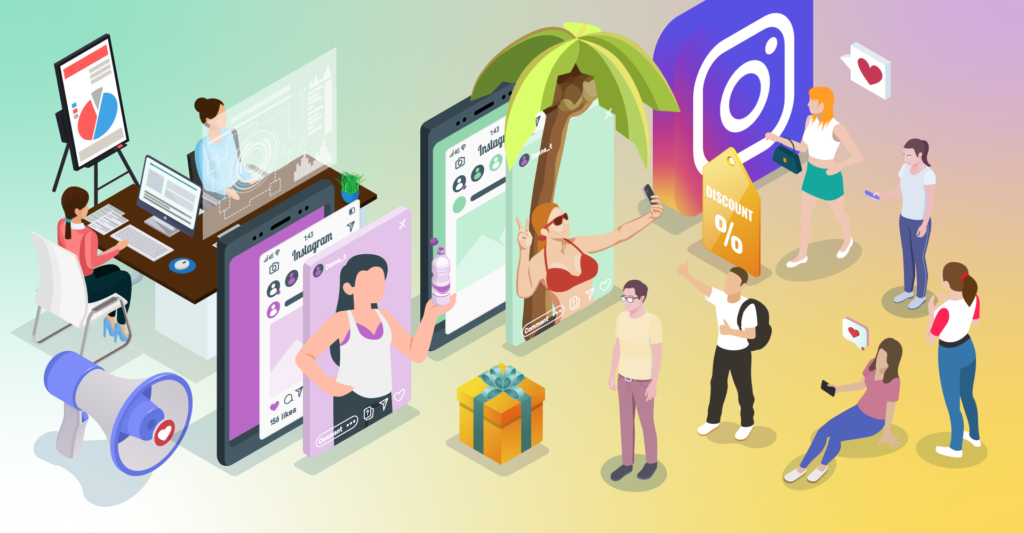
How Do Affiliate Marketing and Influencer Marketing Work Hand in Hand?
At first glance, affiliate marketing and influencer marketing may seem like two separate marketing strategies. However, when combined, they can enhance each other’s effectiveness, creating a powerful synergy that benefits both marketers and influencers. Here’s how:
1. Influencers Drive Traffic, Affiliates Convert
One of the key elements of affiliate marketing is driving traffic to a brand’s website or landing page. Influencers are experts at creating engaging content and reaching large audiences on social media platforms like Instagram, YouTube, TikTok, and blogs. When influencers share affiliate links to the brand’s products, they can drive a significant amount of traffic to the business’s site.
However, it’s not just about traffic—conversion is what matters most. This is where affiliate marketers come in. They are skilled in conversion optimization, utilizing their expertise to ensure that the traffic they generate through influencers actually results in a sale. By combining the outreach power of influencers with the sales-focused tactics of affiliate marketers, businesses can maximize both traffic and conversion rates.
2. Incentivizing Influencers with Affiliate Commissions
Many influencers are already familiar with affiliate marketing programs. By integrating affiliate commissions into influencer campaigns, brands can incentivize influencers to promote products more actively. Instead of offering a fixed fee for a single post or video, brands can offer influencers the opportunity to earn commissions based on the sales they generate through their promotional efforts.
This performance-based approach ensures that influencers are motivated to promote products genuinely and consistently, as their earnings are tied to the sales they drive. This system also aligns the interests of both the brand and the influencer, ensuring that the content is more authentic and targeted.
3. Diversifying Revenue Streams for Influencers
While influencer marketing generally revolves around paid partnerships, integrating affiliate marketing into the equation opens up new revenue streams for influencers. Instead of relying solely on fixed payment structures, influencers can earn passive income over time by sharing affiliate links. This model works well for influencers who have long-term relationships with their audience and continue to promote products they truly believe in.
Moreover, since affiliates often receive a percentage of sales, they have a strong incentive to create high-quality content that resonates with their audience, increasing the chances of converting followers into buyers.
4. Enhanced Tracking and Accountability
Affiliate marketing platforms provide businesses with detailed analytics on clicks, conversions, and sales generated by individual affiliates. This level of transparency is beneficial for both brands and influencers. When combined with influencer marketing, brands can track exactly how much influence a specific influencer has on sales by analyzing metrics like referral traffic and conversion rates.
This data-driven approach ensures that both parties are held accountable for the results they deliver. Influencers can measure the success of their content based on actual sales figures, and businesses can adjust their marketing strategies accordingly to optimize future campaigns.
5. Building Long-Term Partnerships
Influencer and affiliate marketing are both long-term strategies that focus on building relationships and creating ongoing engagement with audiences. When influencers consistently promote a brand through affiliate links, they establish themselves as reliable brand advocates. Over time, this leads to stronger brand loyalty and increased trust among their followers.
Brands can benefit from long-term partnerships with influencers who continuously generate sales through affiliate links. Instead of relying on one-off campaigns, businesses can create a lasting marketing presence that produces steady results, making influencer marketing and affiliate marketing a sustainable growth strategy.
Best Practices for Combining Influencer Marketing and Affiliate Marketing
To ensure that both influencer and affiliate marketing work harmoniously, here are some best practices to keep in mind:
- Choose the Right Influencers: Look for influencers who have an authentic connection with their audience and align with your brand values. The more relevant their audience is to your target market, the higher the chances of success.
- Set Clear Expectations: Clearly define the terms of your collaboration with influencers, including the affiliate commission structure, content guidelines, and key performance indicators (KPIs). This helps avoid misunderstandings and ensures that both parties are aligned.
- Provide Influencers with the Tools They Need: Ensure that influencers have access to personalized affiliate links, banners, and unique promo codes that make it easier for their followers to purchase your products.
- Track and Optimize: Use data analytics to measure the effectiveness of your campaigns. Track referral traffic, conversion rates, and ROI to identify what’s working and what needs improvement.
- Foster Long-Term Relationships: Consider building long-term relationships with top-performing influencers, which can lead to sustained growth and a deeper connection with their audience.
- Read More How Influencer Agencies in Pakistan Connect Brands with Audiences
Conclusion
Affiliate marketing and influencer marketing are two powerful strategies that, when used together, can produce exceptional results for marketers. While influencer marketing excels in driving awareness and engagement, affiliate marketing helps ensure that those efforts translate into actual sales. By combining the strengths of both strategies, brands can increase their reach, foster genuine relationships with their audience, and achieve sustained growth in a competitive market.
As marketers continue to embrace both approaches, the key to success lies in building authentic partnerships and leveraging the unique strengths of influencers and affiliates to drive results. By doing so, brands can unlock the full potential of affiliate and influencer marketing to stay ahead in today’s fast-paced digital landscape.