

A Comprehensive Guide to Growth
In today’s competitive landscape, digital marketing for small business is no longer optional – it’s essential. Small businesses often face resource constraints, making it crucial to maximize every marketing effort. Digital marketing levels the playing field, enabling small businesses to compete with larger corporations by leveraging cost-effective strategies. From building an online presence to running targeted ads, there are countless tools and platforms available that can help small businesses thrive in the digital world. In this article, we’ll explore key digital marketing strategies that can propel your small business forward, enhance brand visibility, and attract more customers.
The Importance of Digital Marketing for Small Business
1. Cost-Effectiveness
One of the primary reasons digital marketing for small business is so impactful is its affordability. Traditional marketing channels, like television, radio, and print ads, can be costly, particularly for small businesses with limited budgets. In contrast, digital marketing allows for highly targeted campaigns that reach specific audiences without breaking the bank.
- Example: Facebook Ads or Google Ads can be highly targeted based on factors like age, location, and interests, allowing small businesses to maximize their marketing spend and drive meaningful results.
Impact: Digital marketing makes it possible for small businesses to run effective campaigns on a budget, ensuring that every dollar spent contributes to business growth.
2. Increased Visibility and Reach
In an increasingly digital world, having an online presence is essential for attracting new customers. With digital marketing, small businesses can enhance their visibility through various platforms such as social media, search engines, and email marketing. These channels provide opportunities for small businesses to connect with potential customers where they already spend their time.
- Example: A local bakery could use Google My Business to appear in local searches, or they might engage customers on Instagram by posting daily updates, promotions, and behind-the-scenes content.
Impact: Digital marketing helps small businesses extend their reach, attracting a broader audience, even beyond their local community.
3. Building Strong Customer Relationships
Digital marketing allows small businesses to engage directly with their customers, fostering relationships that can lead to loyalty and long-term growth. Social media platforms, emails, and blogs are ideal tools for creating personalized content and responding to customer inquiries in real-time.
- Example: A clothing store could respond to customer comments on Instagram or offer personalized product recommendations through email, making the customer feel valued and engaged.
Impact: By interacting directly with customers, small businesses can build trust and encourage repeat business, which is vital for growth.
Key Digital Marketing Strategies for Small Business
1. Search Engine Optimization (SEO)
SEO is one of the most important strategies for any small business looking to increase its online visibility. It involves optimizing your website and content to rank higher in search engine results pages (SERPs), making it easier for potential customers to find you.
- Actionable Tip: Focus on local SEO strategies such as optimizing for location-based keywords and creating a Google My Business profile to enhance your visibility in local searches.
- Example: A plumbing service can rank higher in search results by targeting keywords like “best plumber in [city name]” or “affordable plumbing services near me.”
Impact: SEO drives organic traffic to your website, helping small businesses reach customers who are actively searching for their products or services.
2. Social Media Marketing
Social media is a powerful tool for engaging with your audience, building your brand’s personality, and driving traffic to your website. Platforms like Instagram, Facebook, and LinkedIn allow small businesses to showcase their products, share customer testimonials, and participate in conversations that matter to their customers.
- Actionable Tip: Identify which platforms your target audience uses the most and focus your efforts there. Use paid ads on social media to target specific demographics.
- Example: A small boutique could use Instagram to post photos of new arrivals, create giveaways, and engage with followers through stories and comments.
Impact: Social media allows small businesses to engage with customers, increase brand awareness, and promote their products or services effectively.
3. Email Marketing
Email marketing remains one of the most effective ways to communicate directly with your audience. By building an email list, small businesses can send personalized content, promotions, and updates to customers, keeping them informed and engaged with the brand.
- Actionable Tip: Offer an incentive, such as a discount or freebie, for customers who sign up for your email list. Segment your audience for personalized campaigns.
- Example: A small coffee shop can send out weekly newsletters featuring new menu items, upcoming events, or exclusive discounts for email subscribers.
Impact: Email marketing enables small businesses to keep their customers informed, encourage repeat business, and nurture long-term relationships.
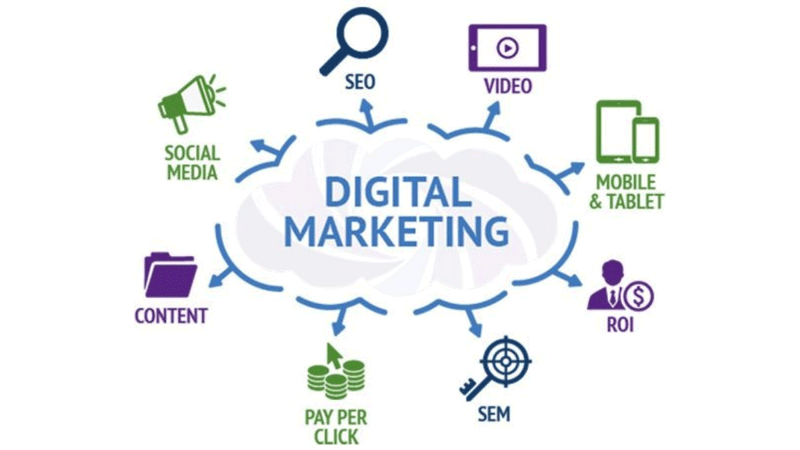
4. Content Marketing
Content marketing involves creating valuable, informative, and engaging content that attracts and retains customers. This can include blog posts, videos, infographics, or podcasts. Content marketing helps establish your brand as an authority in your industry while providing value to your customers.
- Actionable Tip: Write blog posts or create videos that address your customers’ pain points or common questions. Use SEO strategies to increase the discoverability of your content.
- Example: A small fitness studio could create workout tutorials, healthy eating tips, or motivational content to engage and educate their audience.
Impact: Content marketing helps build trust with your audience, drive traffic to your website, and establish your brand as an expert in your field.
5. Paid Advertising (PPC)
Paid advertising through platforms like Google Ads, Facebook Ads, and Instagram Ads can be highly effective for small businesses looking to quickly drive traffic and generate leads. PPC ads allow for precise targeting, meaning your ads will reach users most likely to convert into customers.
- Actionable Tip: Start with a small budget and experiment with different ad creatives and targeting options to determine what works best for your business.
- Example: A local salon might run a Facebook ad targeting women in their area with a promotion for a free consultation or discounted service.
Impact: PPC ads provide immediate results, helping small businesses generate leads and sales in a cost-effective manner.
Conclusion
Digital marketing for small business is not just about having a website or posting on social media – it’s about creating a strategy that helps you engage with your audience, build relationships, and drive growth. By implementing a combination of SEO, social media, email marketing, content creation, and paid ads, small businesses can significantly improve their visibility, customer loyalty, and sales.
Embracing digital marketing is essential for small businesses in today’s competitive landscape. Whether you’re just starting or looking to refine your strategy, these digital tools will help you reach your goals and achieve sustainable growth.